

3rd International Virtual
Recycling Conference 2026
A landmark edition bringing together global recycling professionals, researchers, and innovators for an impactful day of knowledge exchange, groundbreaking presentations, and collaborative dialogue on March 16, 2026.
Executive Summary
A comprehensive recap of what was discussed, presented, and debated across six hours of expert-led virtual sessions.
The 3rd International Virtual Recycling Conference 2026 was successfully held on March 16, 2026, bringing together a global community of researchers, sustainability professionals, innovators, policymakers, and industry leaders. Moderated by Rekha and Nick, the event delivered eight substantive presentations covering a wide spectrum — from upcycling as a retirement activity and greenwashing in consumer markets, to strategic waste transformation, textile recycling innovation, TVET-led clean technology, and systemic accountability in circular economy performance.
The conference opened with Dr. Joao Batista Rosolem (Brazil), who presented on retirement-focused upcycling using electrical engineering principles to transform scrap materials into art — an inspiring bridge between sustainability and personal creativity. Ms. Luise Ende (University of Kassel) followed with a rigorous psychological study on greenwashing and consumer priming, revealing how product framing shapes ecological sustainability judgments.
Mr. Samuele Barrili introduced his "Stream Advanced Management" methodology, advocating for a paradigm shift from waste-as-disposal to waste-as-resource strategy. Ms. Christine Kiourtsis (Renewable Recycling Inc.) detailed how her company transforms 95% of recovered textiles into certified insulation products — a practical blueprint for circular manufacturing at scale.
Mr. Ancel Bhagwandeen (ProtofabTT, Trinidad & Tobago) showcased breakthrough TVET-linked innovations including solar-powered hydroponic towers and award-winning sustainable mobility solutions. Mr. Anthony Cross brought a systems-level critique of circular economy reporting, highlighting the structural gap between stated diversion metrics and verified recovery outcomes. Prof. Barry Hersh (NYU) rounded out the live sessions with a compelling case for land and building recycling through adaptive reuse and brownfield redevelopment. Two poster presentations by Dr. Tamari Mumladze on composite packaging recycling and municipal composting added further scientific depth.
The 3rd edition demonstrated once again that the Virtual Recycling Meet platform is a vital global forum — bringing actionable science, business innovation, and policy dialogue to professionals worldwide.
Conference Speakers
Eight distinguished experts from Brazil, Germany, USA, Trinidad & Tobago, Georgia, and beyond contributed their knowledge to this edition.
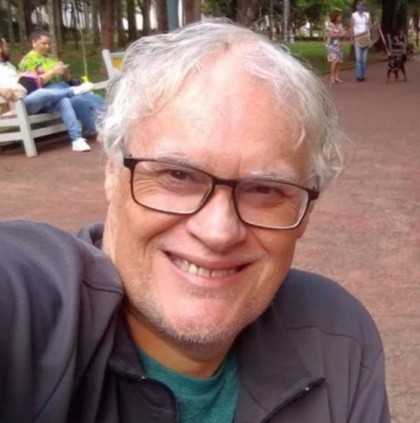
Dr. Joao Batista Rosolem
Researcher, CPQD Telecommunication R&D Center, Brazil
Ms. Luise Ende
Research Associate, University of Kassel, Germany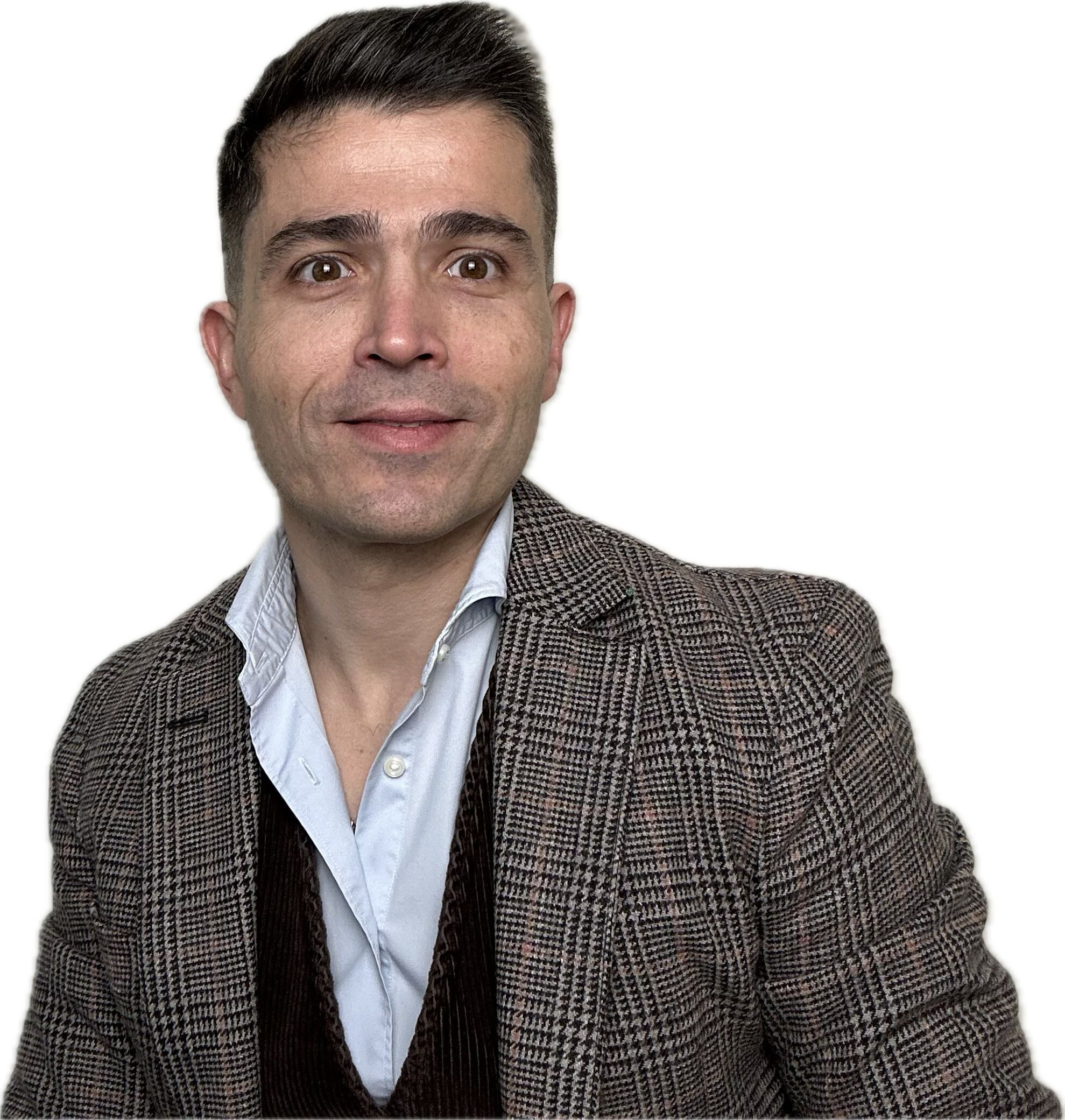
Mr. Samuele Barrili
International Waste Management Strategist, USA
Ms. Christine Kiourtsis
President & Founder, Renewable Recycling Inc., USAMr. Ancel Bhagwandeen
Founder, ProtofabTT, Trinidad & TobagoMr. Anthony Cross
Founder & CEO, Symbeco Strategies, Inc., USA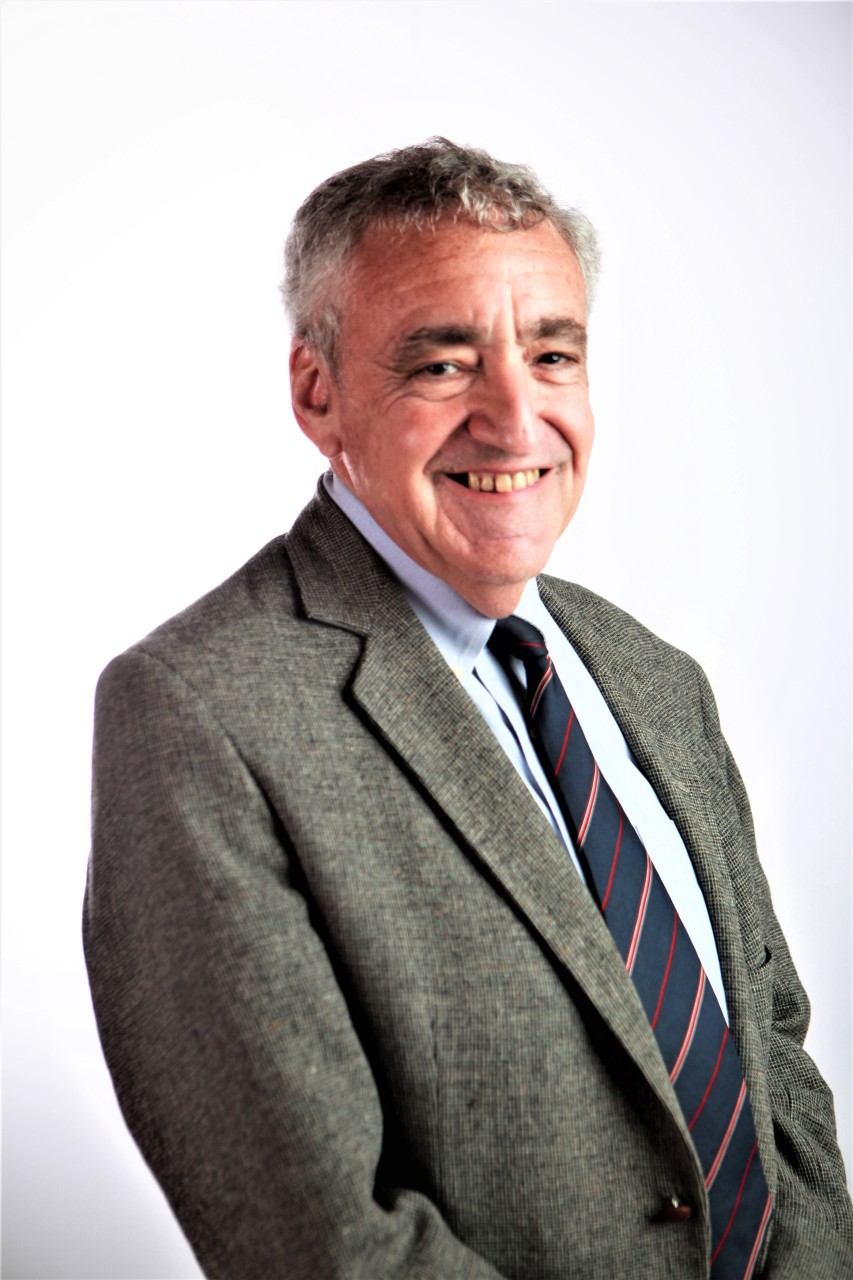
Prof. Barry Hersh
Clinical Professor, New York University, USADr. Tamari Mumladze
Asst. Professor, Akaki Tsereteli State University, GeorgiaEvent Agenda
March 16, 2026 · 15:00 – 18:00 CET
(14:00 – 17:00 GMT) · Virtual via Zoom
Welcome & Opening Remarks
Introduction by moderators Rekha and Nick. Overview of conference goals, speakers, and session flow for the 3rd edition.
New Life for Old Things: Upcycling as a Retirement Strategy
Dr. Joao Batista Rosolem — CPQD, Brazil
What Story to Believe in Greenwashing Detection?
Ms. Luise Ende — University of Kassel, Germany
Turning Recycling Operations into Strategic Resource Businesses
Mr. Samuele Barrili — Waste Management Strategist, USA
Mattress, Carpet & C&D Recycling: Turning Recovered Materials into End Products
Ms. Christine Kiourtsis — Renewable Recycling Inc., USA
Applied Research & Technology Transfer in TVET Institutions
Recycling's Measurement Problem: The Gap Between Reported Diversion and Actual Recovery
Recycling Land and Buildings (Adaptive Reuse & Brownfield Redevelopment)
Prof. Barry Hersh — New York University, USA
Poster Presentations, Closing Remarks & Acknowledgements
Poster presentations by Dr. Tamari Mumladze. Summary of key learnings, speaker acknowledgements, and preview of future editions.
Session Summaries
Detailed summaries of each presentation, capturing key insights, findings, and actionable takeaways for the recycling and sustainability community.
Upcycling in Retirement — Dr. Joao Batista Rosolem
CPQD Telecommunication Research & Development Center, BrazilDr. Rosolem opened the conference with a personal and inspiring presentation on retirement-focused upcycling, sharing how electrical engineering principles can transform scrap and cast-off materials — cast iron, stained glass, epoxy resin — into meaningful art pieces. He highlighted that approximately 41% of upcycling practitioners are aged 55 or older, positioning upcycling as both an environmental act and a powerful driver of cognitive stimulation and mental well-being in later life. He presented multiple examples of his own creations, including stained-glass-style resin panels and repurposed industrial objects, and invited discussion on remaining questions around material toxicity and exhibition of upcycled works. His session demonstrated that sustainability is deeply personal and creative — not just industrial.
Greenwashing Detection & Consumer Priming — Ms. Luise Ende
Research Associate, University of Kassel, GermanyMs. Ende presented rigorous research on how informational priming shapes consumer judgments of product sustainability, focusing on the business-to-consumer greenwashing space. Her study of 326 participants revealed that while vegan products generally receive higher ecological sustainability ratings, information about unsustainable production practices can meaningfully counteract this premium. The study used a controlled priming methodology, exposing participants to brand stories that either highlighted sustainable or unsustainable practices before asking them to evaluate product sustainability. When asked about multinational companies' responses to greenwashing concerns, Ms. Ende observed that corporations are largely reacting to external pressure rather than fundamentally changing practices — often finding new ways to frame rather than genuinely reform. The discussion underscored the urgent need for clearer international sustainability standards and more rigorous assessment criteria across sectors.
Strategic Waste Management — Mr. Samuele Barrili
International Waste Management Strategist, USAMr. Barrili delivered a paradigm-challenging presentation arguing that recycling operators must fundamentally rethink their identity — from commodity haulers and disposers to strategic resource managers and material suppliers. His "Stream Advanced Management" (SAM) method is built on four pillars: strategic extraction, accountable production, material recovery optimisation, and integration into industrial markets. He demonstrated how small and medium waste operators, leveraging their local agility and relationships, can profitably supply recovered materials directly to local manufacturing industries, creating jobs and stabilising margins in the process. He also raised the under-explored opportunity of extracting valuable materials from existing landfills — reframing these sites as deferred resource deposits. His closing call to action: waste companies that become material traders will secure industrial supply chains and build long-term resilience.
Circular Textile Recycling at Scale — Ms. Christine Kiourtsis
President & Founder, Renewable Recycling Inc., USAMs. Kiourtsis presented a compelling blueprint for circular textile recycling at commercial scale. Renewable Recycling Inc. (RRI), a 100% woman-owned company permitted by the NYS Department of Environmental Conservation, recovers materials from mattresses, carpet, ceiling tiles, and linens — achieving a 95% recycling rate through automated processing. The recovered materials are transformed into a proprietary blown-in insulation product made from 95% recycled materials, blended with natural fire-retardants and insect repellents, and verified by a Materials ELAP-certified lab. The company's transition from manual to automated operations tripled volume capacity. Ms. Kiourtsis outlined ambitious expansion plans: opening new facilities in the Capital Region of New York and New Jersey, targeting a five-times increase in volume by end of 2026, and diverting landfill tonnage from 1,000 to over 5,000 tons per year. The insulation product has already attracted attention from global sustainability leaders and is a live example of circular manufacturing in action.
TVET & Clean Technology Innovation — Mr. Ancel Bhagwandeen
Founder, ProtofabTT, Trinidad & TobagoMr. Bhagwandeen presented an inspiring case study from the Caribbean on how Technical and Vocational Education and Training (TVET) institutions can serve as engines of sustainable technological innovation in small island developing states (SIDS). Through his organisation ProtofabTT's partnership with the MIC Institute of Technology, he showcased a portfolio of groundbreaking innovations: the Caribbean's first hybrid aeroponic-hydroponic solar-powered tower garden, battery regeneration technology, and the world's first electronic steel pan tenor stick. His team won first place at the 2022 ClimateLaunchpad competition for sustainable mobility — one of the world's leading clean-tech competitions. He discussed the pathway from R&D to commercial scale, the integration of these technologies into the Trinidad & Tobago education system, and the roadmap for regional and global expansion. His session demonstrated that innovation for circular sustainability is not exclusive to wealthy nations — ingenuity and vocational education can drive world-class solutions anywhere.
Circular Performance Accountability — Mr. Anthony Cross
Founder & CEO, Symbeco Strategies, Inc., USAMr. Cross delivered a rigorous structural critique of how circular economy commitments fail between aspiration and implementation. His core thesis: the gap between reported diversion metrics and actual material recovery is not accidental — it is structurally embedded in how circular systems are designed and governed. He traced how simplified performance targets set at the organisational or policy level become fragmented and distorted as they cascade through operational tiers, leading to systemic problems of trust, accountability, and ESG credibility. He argued that engaging frontline waste management workers is crucial — their behavioural responses to incentive structures are often ignored in circular design. His prescription was clear: circular systems need to be observable, verifiable, and integrity-preserving by design, not by aspiration. He is currently pursuing a Master of Sustainability Management at the University of Southern California, where he researches performance gaps in global resource recovery models.
Land & Building Recycling — Prof. Barry Hersh
Clinical Professor, NYU SPS Schack Institute of Real Estate, USAProf. Hersh expanded the conference's definition of recycling into the built environment, presenting an authoritative session on adaptive reuse and brownfield redevelopment. He showcased a diverse portfolio of examples: a historic courthouse conversion in Greenwich Village, an industrial waterfront site repurposed into a public park on Long Island Sound, and office-to-residential conversions across New York City. He discussed the unique challenges of these projects, including environmental remediation, zoning complexity, heritage preservation constraints, and financing mechanisms such as CPACE (Commercial Property Assessed Clean Energy) for funding building improvements. His recently authored case study on the redevelopment of Willets Point — a long-contaminated site in Queens, NYC — was highlighted as an exemplar of brownfield transformation in dense urban environments. He holds Lifetime Achievement Awards from both CCLR at the US EPA conference and the Brownfield Coalition of the Northeast, and served on the US EPA Environmental Financial Advisory Board from 2022 to 2025.
Poster Presentations — Dr. Tamari Mumladze
Asst. Professor, Akaki Tsereteli State University, Kutaisi, GeorgiaDr. Mumladze, unable to attend live, contributed two poster presentations that were presented on her behalf. Her first poster — "Advanced Recycling Pathways for Composite Multilayer Packaging Waste: Implications for Resource Recovery and Circular Economy" — explored innovative solvent-based recycling technologies addressing the difficult challenge of separating complex multilayer plastic packaging, achieving high-purity polymer recovery. Her second poster — "Performance Assessment of Municipal Biodegradable Waste Composting as a Zero-Waste Strategy in Emerging Urban Systems" — examined the effectiveness of controlled municipal composting, emphasising how careful management of temperature, aeration, and moisture yields high-quality compost while reducing environmental impact. Both studies contribute rigorous scientific evidence to support circular economy transitions in emerging and transitioning regions. Dr. Mumladze holds a PhD in Environmental Engineering from Kaunas University of Technology (Lithuania) and coordinates EU-funded waste management projects.
Key Takeaways
The most important themes and actionable insights that emerged across all sessions of the 3rd edition.
Waste Is a Resource, Not a Problem
Multiple speakers reinforced that the mindset shift from waste-as-disposal to waste-as-resource is the foundational requirement for genuine circular economy progress.
Metrics Must Match Reality
Anthony Cross's session revealed that current recycling metrics often overstate actual recovery. Systems need built-in verification mechanisms, not just reported aspirations.
Scale Through Automation
Christine Kiourtsis showed how moving from manual to automated processes can triple capacity and move circular manufacturing from niche to commercially viable at scale.
TVET as an Innovation Engine
Ancel Bhagwandeen demonstrated that vocational education institutions in small island nations can produce globally award-winning sustainable technologies with the right partnerships.
Psychology Matters in Sustainability
Consumer perception research by Luise Ende proves that information framing, priming, and brand storytelling significantly shape ecological judgments — greenwashing is cognitive, not just communicative.
Cities Are Recyclable Too
Prof. Hersh's session expanded recycling beyond materials — land and buildings are the next frontier, with brownfield redevelopment unlocking tremendous environmental and economic value in urban settings.
Global Collaboration Drives Progress
Speakers from Brazil, Germany, USA, Trinidad & Tobago, and Georgia demonstrated that the most relevant insights cross national borders — international dialogue accelerates implementation.
Science Supports Policy
Dr. Mumladze's poster presentations showed that rigorous environmental engineering research — on composting performance and solvent-based packaging separation — directly informs practical circular economy policy design.
Access Presentations
Download speaker slides from the 3rd Virtual Recycling Conference 2026. Registered attendees have access to all session materials.
Mr. Anthony Cross
Symbeco Strategies, Inc.Recycling's Measurement Problem: The Gap Between Reported Diversion and Actual Recovery
Download
Mr. Sam Barrili
Waste Management Strategist, USATurning Recycling Operations into Strategic Resource Businesses
DownloadDr. Tamari Mumladze
Akaki Tsereteli State UniversityAdvanced Recycling Pathways for Composite Multilayer Packaging Waste
DownloadMr. Ancel Bhagwandeen
ProtofabTT, Trinidad & TobagoApplied Research and Technology Transfer in TVET Institutions
Download
Ms. Christine Kiourtsis
Renewable Recycling Inc.Mattress, Carpet & C&D Materials Recycling
Download
Dr. Joao Batista Rosolem
CPQD, BrazilNew Life for Old Things: Upcycling as a Retirement Strategy
DownloadReady for the 4th Edition?
Join our growing global community of recycling professionals, researchers, and innovators. Submit your abstract or register for the next Virtual Recycling Meet.